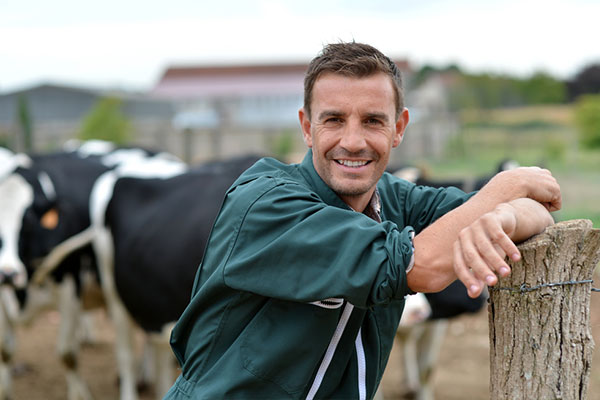
Innovative Pollution Prevention Projects Funded

Pennsylvania’s County Conservation Districts today received more than $47,000 for 28 projects in 26 counties that promote water pollution prevention strategies through the Non-point Source (NPS) Pollution Prevention Educational Mini-Grant Program.

“Pennsylvania’s conservation districts work every day to control pollution and ensure there is enough clean water for future generations,” said Robert Maiden, Executive Director of the Pennsylvania Association of Conservation Districts (PACD). “We are grateful to the Pennsylvania Department of Environmental Protection for providing funding for these projects that will make a difference for Pennsylvania’s citizens.”

Funding for the grants, up to $2,000 each, is provided through the Pennsylvania Department of Environmental Protection under Section 319 of the Clean Water Act, administered by the US Environmental Protection Agency. A description of current and previously funded projects is available at www.pacd.org under the Education tab.

2012 – 2013 NPS Pollution Prevention Educational Mini-grants were awarded to the following:

 Conservation District Project Title
 Adams County Conservation District  Green Roof Outreach
 Allegheny County Conservation District  Agricultural Alternative Project
 Berks County Conservation District  Wyomissing Watershed Outreach Campaign
 Bucks County Conservation District  Waste Not Want Not
 Cameron County Conservation District  Cameron County Landowners Workshop
 Centre County Conservation District  Wetlands and Waterways Big and Small
 Chester County Conservation District  Clean Streams for All Generations
 Crawford County Conservation District  Stainbrook Park Rain Garden Demonstration Project
 Elk County Conservation District  Elk County Erosion & Sediment Control Workshop
 Elk County Conservation District  Clarion River Stormwater Awareness Project
 Erie County Conservation District  Erie County Interseeding Demo Field Day
 Erie County Conservation District  Best Management Practices Educational Brochure
 Indiana County Conservation District  2012 Southwest Pennsylvania Project Grass Conference
 Jefferson County Conservation District  We All Live Downstream: Become a Steward of Your Farm
 Lawrence County Conservation District  2013 Shenango River Watershed Source Water Protection Calendar
 Lebanon County Conservation District  Briar Lake Enhancement Project
 Lehigh County Conservation District  Lehigh County Water Quality Educational Seminars
 McKean County Conservation District  NPS Awareness Program for Landowners/Users
 Monroe County Conservation District  Retain the Rain: Practices for Pollution Prevention
 Northampton County Conservation District  “The Dirt on Soils”
 Pike County Conservation District  Pike County Rain Garden Education and Installation for the Area
Agency on Aging
 Schuylkill Conservation District  Silver Creek AMD Trail
 Sullivan County Conservation District  Soil Sample Kits for Ag Compliance
 Susquehanna County Conservation District  Deacon Brook Watershed Group
 Tioga County Conservation District  Tioga County Women In Agriculture
 Union County Conservation District  Soil Stabilization Demonstration Plots using Enzyme Stabilization
 Wayne Conservation District  Japanese Knotweed and Invasive Species Demonstration Site
 Westmoreland Conservation District  Pollution Prevention in the Loyalhanna Watershed

Share

Annual Maple Syrup Festival Draws International Interest

For more than 35 years, the Beaver County Conservation District has hosted a Maple Syrup Festival that not only draws thousands of attendees each year from around the world, but draws awareness to the important role of conservation districts in each region of the state.

“This is an amazing event,” said Robert B. Maiden, Executive Director for the Pennsylvania Association of Conservation Districts while sampling the maple syrup that is made during the festival. “The sheer number of visitors alone is a testament to the success from the hard work and dedication of the festival’s volunteers and organizers and the Beaver County Conservation District. They have dedicated countless hours to ensure the growth and excitement of this event each year.”

The annual two-day event is attended by more than 40,000 people that descend on Beaver County for fun, fresh syrup, homemade buttermilk and buckwheat pancakes, live entertainment, crafts and games.

Early planning for the event begins soon after the last pancake is served at the festival. The preparation for the maple syrup begins in early January when volunteers use 5,000 taps on approximately 3,500 sugar maple trees.  More than thirteen miles of plastic tubing is used and 500 one-gallon food-grade buckets are used to collect the maple sap, the main ingredient for the syrup shipped around the world.

“Not only does the conservation district and its volunteers put on a fantastic event that reaches thousands of people each year, they do it in an environmentally conscious manner, using compostable tableware which is then composted, bagged and sold at the district’s annual tree sale,” added Maiden.

“This festival is just another example of the great work that our districts do in our communities. I congratulate the Beaver County Conservation District, its board, staff and volunteers on this tremendously successful event and I look forward to joining you again next year!”

Maple Syrup Festival by the numbers:

  • 25 stainless steel and food grade plastic tanks are used to collect maple sap.
  • One gallon of pure maple syrup weighs twelve pounds.
  • Close to 10,000 pancake and sausage meals are served.
  • 3,000 pounds of sausage is cooked and served.
  • 350 gallons of pure made syrup is consumed with the meals.
  • 600 gallons of pure maple syrup is sold on the festival grounds
  • 2,000 pounds of buckwheat, eight hundred pounds of corn and three hundred pounds of wheat are used and sold at the festival.


Share

Testimony of MaryAnn Warren before the House Environmental Resources and Energy Committee and the House Finance Committee

Testimony of MaryAnn Warren
President, Pennsylvania Association of Conservation Districts
before the House Environmental Resources and Energy Committee
and the House Finance Committee
Wednesday, April 4, 2012

Chairman Hutchinson, Chairman Benninghoff, Representative George, Representative Mundy and distinguished members of both committees, it is an honor for me to appear before you today. As you are aware, the county conservation districts in Pennsylvania play an essential part in the protection of not only the environment and its natural resources, but your constituents and the local economies that serve your communities.

Everyday, we take for granted our water resources. We are fortunate to live in a state where laws have been passed, regulations put in place and rules implemented to make sure that our water is clean to drink and readily available.

Pennsylvania’s abundance of water resources provide an exceptional quality of life for our residents, an opportunity for outdoor enthusiasts, an attraction for visitors, unparalleled natural beauty, thriving ecosystems, agricultural prominence and economic prosperity throughout the Commonwealth. But this great fortune can also come with a price. Flood waters, as witnessed by the 2011 floods, can be destructive and devastating. Water can wreak havoc on homeowners, businesses and entire communities when flood prevention measures are overcome by an unrelenting mother nature.

So, what do the conservation districts have to do with flood events that occur across Pennsylvania? Everything. From flood mitigation and monitoring, to prevention, to services provided by the districts to assist the landowners and communities quickly get back on their feet following this type of natural disaster. The county conservation districts take proactive steps to help mitigate flooding where possible, through innovative projects and education.

Flood Mitigation:
Prevention takes on many forms as it relates to the county conservation districts and their crucial role in the protection of our resources, livelihoods and citizens from flooding in small streams throughout the Commonwealth. From education and awareness to providing creative solutions, the county conservation districts serve as the county’s and the Commonwealth’s first line of defense in minimizing severe flood damage.

While the districts cannot prevent serious weather conditions and the damage that it brings, they can and do allocate resources and man-hours to reduce the destruction done to the environment from flooding and other natural disasters. One of those ways is through stream improvement projects. These projects, often focused on small streams and provided with funding from the Growing Greener grant program, can range from streambank stabilization, installation of buffers and stream channel improvements. The Growing Greener grants, last year totaling $3.4 million, were directed specifically to watershed protection projects primarily in small streams for both flood control and to improve the quality of the streams. In fact, the districts administer and implement approximately 33 percent of the total Growing Greener grants awarded each year, which support and protect your communities.

Agricultural Responsiveness:
When we think about the devastation brought about by flooding, we often think of the damage caused to homes, businesses and utilities, but what about Pennsylvania’s valuable agricultural industry? The crops? The land? The livestock?

Members of our Association were quick to respond to the 2011 flooding caused in areas throughout the Commonwealth. Our membership was called upon to help our agricultural industry move quickly in the aftermath of the storm. As always, our members respectfully responded, promptly assembled and were en route to provide their expertise and resources where needed.

Policy and Regulation Recommendations:
Up to this point, we’ve discussed how conservation districts have responded to flooding events and other stream related issues. Now, I’d like to share responses from a survey we provided to our membership as an effort to provide feedback to help expedite the process and make it more efficient. Suggestions included:

  • Districts should have the authority to issue emergency permits, as well as the authority for debris and stream emergency permits;
  • Districts should be on the County emergency services’ list serves to get the most current and up-to-date information.
  • Districts should automatically be part of any emergency response with PEMA in all counties to look at stream damage, document agricultural/crop loss and floodplain management. As it currently stands, some districts are in the loop and some are not.
  • Farmland restoration should be a priority with emergency response coordinators.
  • Emergency plans should be in place for animals lost due to natural disasters, i.e. what to do with the carcass following these disasters.
  • As preventative measures, emphasis should be given to environmental managing of streams, addressing streambank erosion which is a source of sediment, and minimizing blockages of the stream to help alleviate future flooding. After a stream channel is stabilized, riparian planting can be effective.
  •  Even though Counties are required to have Act 167 Stormwater Management Plans, many do not, which increases the likelihood of flood damage.

Funding Recommendations:
The following are a list of funding recommendations for the consideration of your committees:

  •  As a preventative measure, funding should focus on the environmental managing of streams, addressing streambank erosion through funding Growing Greener and/ or creating other funding mechanisms to fund streambank stabilization.
  • Create a funding mechanism to correct blockages in streams that occur after a flooding event, greatly alleviating future flooding. As an example, we point to Emergency Watershed Protection (EWP) funding from NRCS. A funding source should already be in place, ready to access, instead of the need to enact legislation after the flooding event as we recently witnessed.
  • Provide funds for counties to initiate or complete their Act 167 Stormwater Management Plans.
  • Fund innovative stormwater ideas that protect landowners and businesses while protecting the environment through the creation of a small grant program specifically for stormwater projects.
  • Continue to support your conservation districts yearly budget line-item. The districts are your first line of defense when it comes to flood mitigation and then your first responders after the flood event.

In addition to sharing with you, we have provided this list of suggestions to our partners at the DEP, PEMA, FEMA and PDA. We respectfully ask that you would give priority to these recommendations.

In conclusion, for more than six decades the county conservation districts have provided leadership, skill, expertise and advocacy on the premise that protecting our natural resources now will provide for long-term sustainability, for not only our families and communities, but for our economy as well. When disaster strikes, our districts are prepared and ready to be deployed wherever deemed necessary to provide the greatest support. But before that disaster strikes, our districts continue to provide education and technical support to help lessen damage to our communities, businesses, homes and environment.

Our county officials and local governments call upon our conservation districts daily for assistance, guidance and their technical expertise. Our members are trusted entities within the county and go above and beyond to serve communities within their counties and protect our natural resources. Our assistance with flood emergencies is just one more example of the conservation districts’ dedication and commitment to fulfilling our mission.

Share

Grant Helps Jefferson County Conservation District Provide Guidance to Local Ag Community

With assistance from the Pennsylvania Department of Environmental Protection (PA DEP) and a $1,000 mini-grant through the PACD, members of the Jefferson County Conservation District recently conducted two workshops that helped 50 county farmers complete a state required Manure Management Plan. These plans are to be completed and available at every farm in Pennsylvania that land applies on-farm or imported manure.

The day-long sessions were made available to producers/landowners located within the county to improve awareness of the revised state mandated Manure Management Manual. These sessions assist farmers by providing further guidance and understanding of manure management requirements, as well as assisting attendees with the development of a complete manure management plan. These sessions combine short lectures and seminars with hands-on assistance from the conservation district staff to complete the Pennsylvania Department of Environmental Protection provided worksheets.

Grant funding is made possible by the Clean Water Fund and the Chesapeake Bay Implementation Grant, which allows PA DEP to provide all 66 conservation districts with funding to provide local Manure Management Manual workshops.

Share
Testimonials
Conservation Districts Make a Difference in YOUR Community.

Subscribe
Enter your email address below to receive Front Page, our e-newsletter: