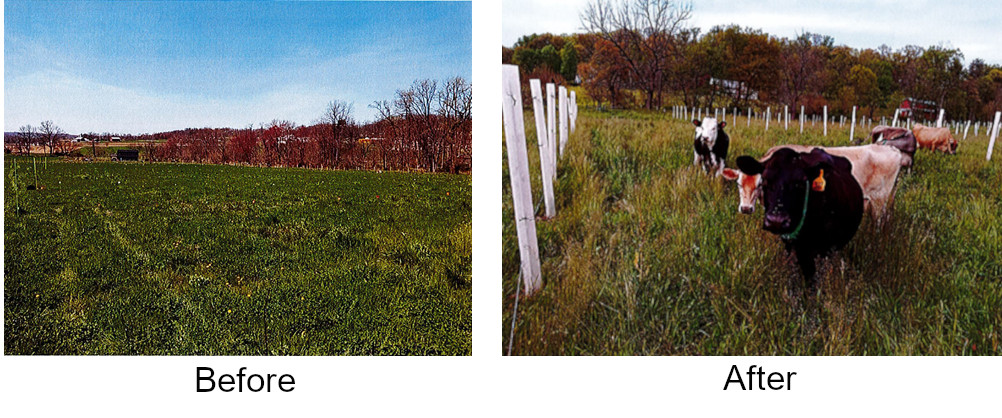
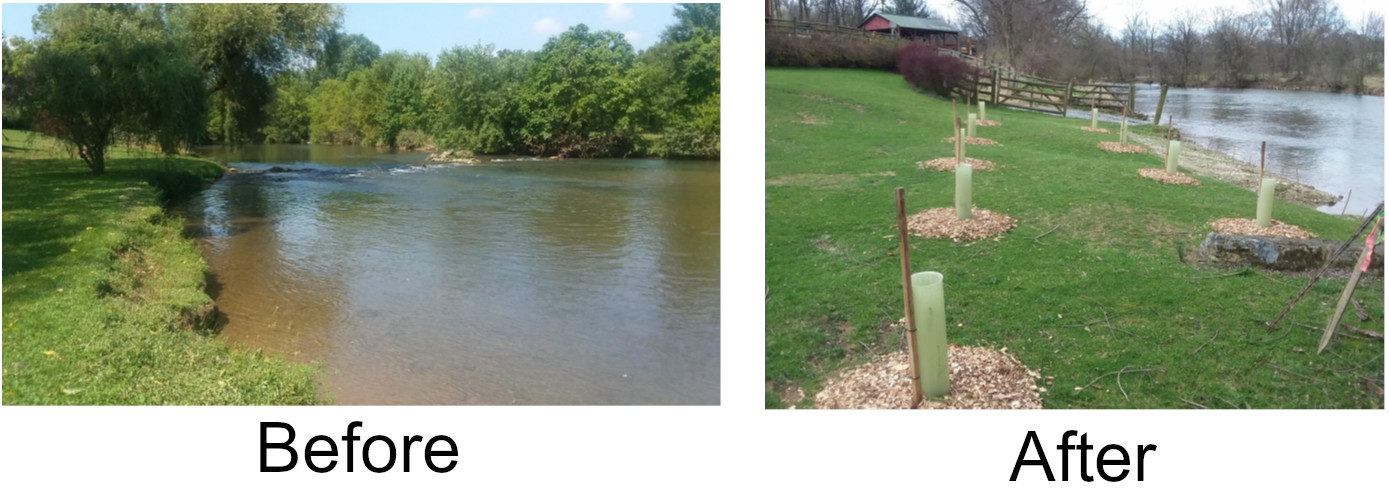
Lancaster County Conservation District completed a 20-acre multi-functional riparian forest buffer project on a dairy farm in Lancaster County. The total cost for the buffer was $66,368 and was paid for through PACD’s multi-functional buffer sub-grant program. Click here for more information. Contact Holly Miller with questions at hmiller@pacd.org.
Does your district have a succession plan? Vacancies in key positions can disrupt operations and cause significant extra workload and worries, but succession planning management can help alleviate the stress and uncertainty of dealing with vacancies, both planned and unplanned. This comprehensive two-part webinar will examine current workforce challenges, the true costs of a lack of preparedness, and actions you can take now to ensure smoother future transitions.
Note for those registered or planning to register for the Fall Leadership Webinar series: Succession Planning Management Part 1 (originally scheduled for October 27) will now be on Wednesday November 3 and Part 2 will be on Wednesday November 17.
District board members, associate directors, managers, and partners can still register for the Fall Leadership Webinar Series. For more information and to register, please visit Building for Tomorrow.
Financial and other support for the Building for Tomorrow Leadership Development Program is provided through a grant from the Pennsylvania State Conservation Commission. Guidance for the Program is provided through the Pennsylvania Conservation Partnership’s Leadership Development Committee.
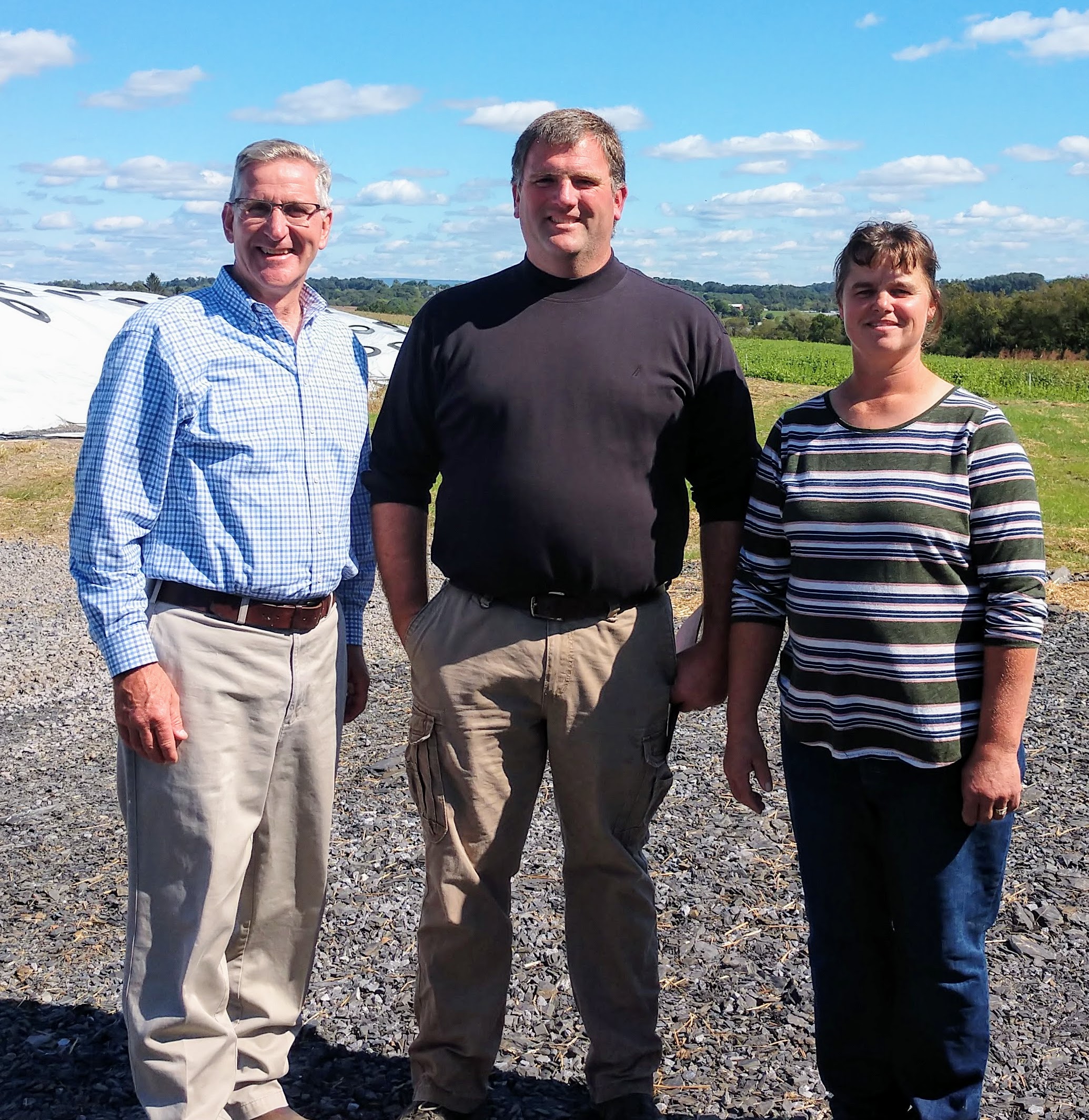
Secretary Russell Redding (left) with Dairy Farmers/CEG Recipients Ben & Sharon Peckman.
On September 30, 2021, the Franklin County Conservation District held a showcase tour of the county’s first completed project funded through the Conservation Excellence Grant (CEG) program. The tour was held at Ben and Sharon Peckman’s Slate Ridge Dairy Farm in Saint Thomas, PA.
PA Department of Agriculture Secretary Russell C. Redding participated in the tour along with Representatives Kauffman and Schemel and Commissioner Ziobrowski. As a result, participants were able to see firsthand the conservation work being accomplished in Franklin County.
Secretary Redding’s office said this about his participation in the tour:
It’s always gratifying to see a plan come together, especially when the results mean cleaner water, healthier soil, and a regenerative, sustainable, solid farm operation.
Like Franklin County Conservation District, PA Manager David Stoner said of their County Action Plan, “The stars were aligned, staff was in place to do the work, money came in, and farmers applied.”
Yesterday, I spent a perfect afternoon touring the results of the farm that fit the plans goals perfectly and had the most important ingredient – a willing farmer who is committed to conservation. On Ben and Sharon Peckman’s Slate Ridge Dairy Farm in St. Thomas, the plan came together in just six months from project conception to completion.
With Conservation Excellence Grant funding from the state to the Conservation District, and REAP tax credits from the state to meet out-of-pocket costs not covered by the grant, this investment by the state, the county and the farmer will pay off in a healthy viable farm. What we envisioned for Conservation Excellence Grants has payed [sic] off here.
Click here for the description of the Slate Ridge Dairy CEG project.
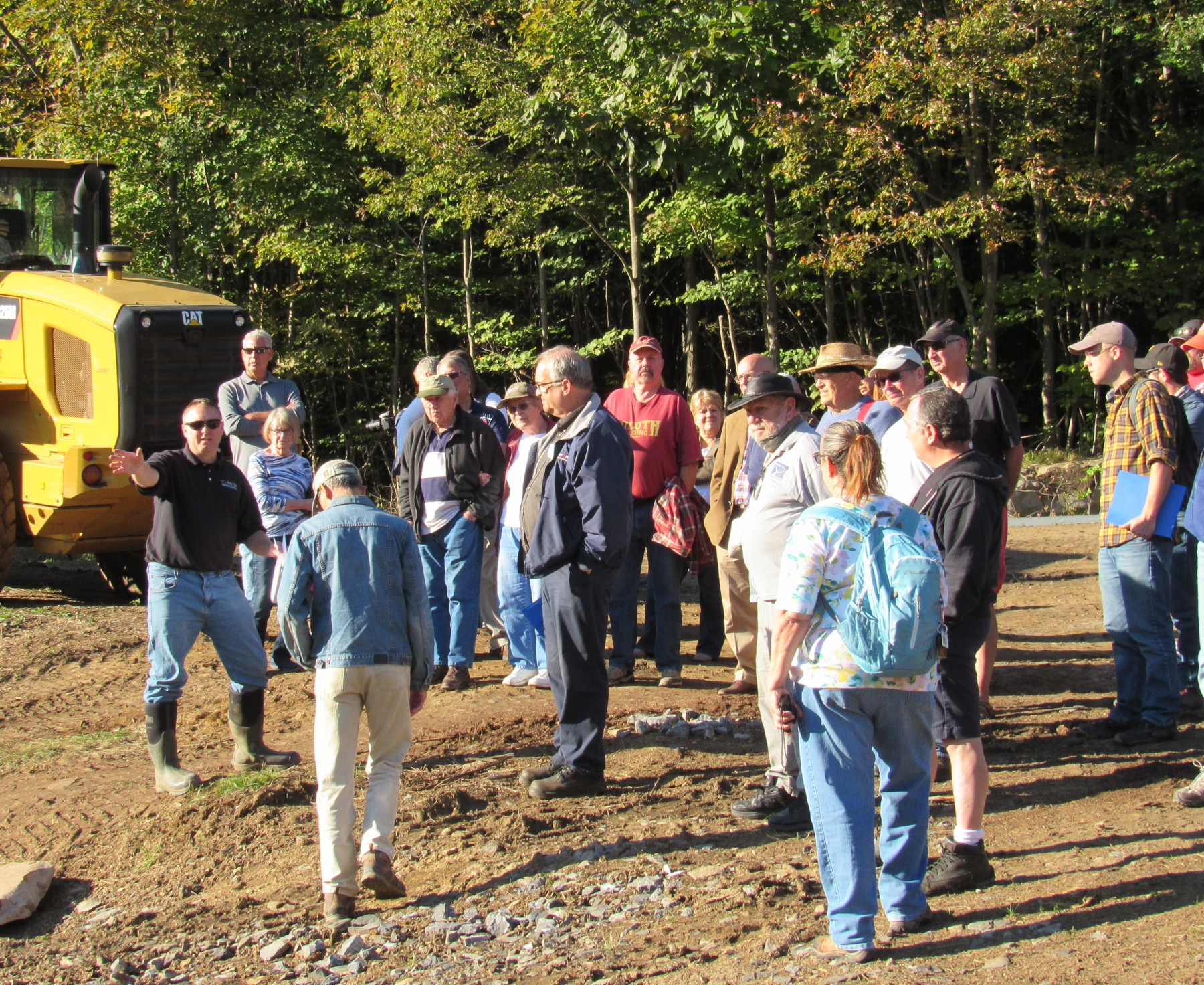
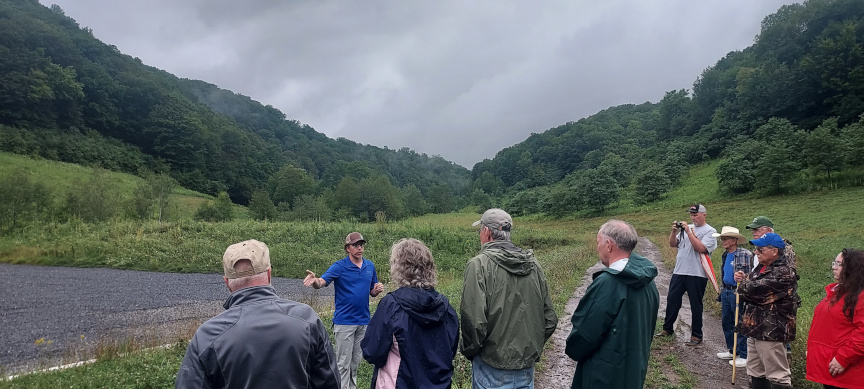
PACD Conservation Technician Phil Wilson, left, discusses AMD treatment technology to the attendees at the tour of the Oven Treatment sites in Somerset County. Photo by Len Lichvar. Used with permission.
On September 29, 2021, the Somerset Conservation District (SCD) held the Stonycreek-Conemaugh River Improvement Project’s 30th Anniversary Tour. SCD Manager Len Lichvar kicked off the tour of the Oven Run Watershed Mine Drainage Abatement Site D near Hooversville then handed it over to PACD staff. PACD Conservation Engineer Danielle Kalp, PE, and PACD Conservation Technician Philip Wilson showed attendees how the water is treated. Also, SCD Watershed Specialist Greg Shustrick contributed to the tour.
PACD immediate past President and South West Region Director Mike Price attended on behalf of the PACD Executive Board.
Click here to read an article and view photos of the event.
Berks County Conservation District planted a total of 1.25 acres of multi-functional riparian forest buffer along Tulpehocken Creek in Berks County. The total cost for the buffer was $12,052.45 and was paid for through PACD’s multi-functional buffer sub-grant program.
The project is part of the Tulpehocken Creek Restoration; a collaborative between Berks County Conservation District, PennDOT, AECOM, PA Fish & Boat Commission, and PACD. Drone footage of the restoration project can be viewed on BCCD’s YouTube page.
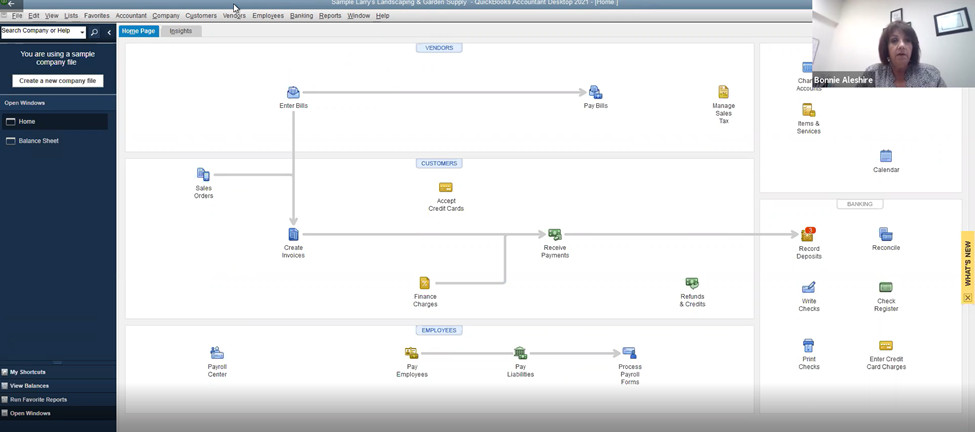
The Pennsylvania Association of Conservation Districts partnered with SEK CPAs & Advisors to offer a QuickBooks training program to conservation districts. Basic, advanced, and payroll sessions were included in the training. The webinars were held on August 12, September 9, and September 23, 2021.
Support Accountant Supervisor Bonnie Aleshire, and Senior Associate Mandy Walls with SEK CPAs & Advisors taught all three workshops.
Any conservation district staff who work with QuickBooks are encouraged to view the trainings. For more information, please contact Holly Miller at hmiller@pacd.org.
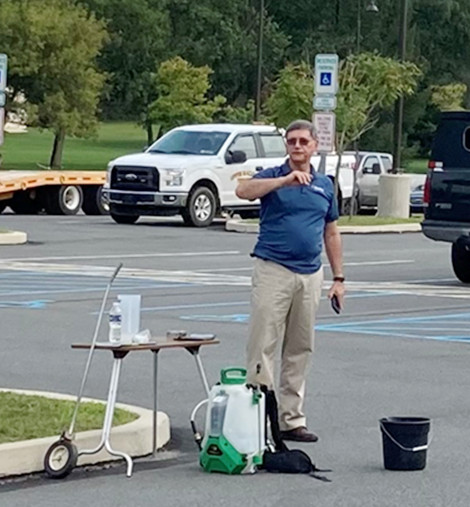
Rich Shearman of SiteOne Landscape Supply demonstrates correct calibration of spray equipment. Photo provided by Lehigh County Conservation District.
Lehigh County Conservation District and Lower Macungie Township partnered to host a daylong training for certified pesticide applicators on September 14, 2021, at the Township’s Community Center.
Forty-two municipal representatives attended, including several townships, boroughs, and county parks. Instruction was provided on the proper choice, mixing, application, and disposal of herbicides and pesticides. Identification and control of common invasive weeds tied into the hands-on demo for correct mixing of herbicides and equipment calibration.
The training also included the latest recommendations for spotted lanternfly remediation, the biology and elimination of mosquitoes, and information on the Department of Environmental Protection’s black fly program. In addition, an update was provided on a long-term research project to determine the prevalence of various tick species and the pathogens they carry in the Greater Lehigh Valley Area.
Municipalities that attended received credit toward their Municipal Separate Storm Sewer System (MS4) training requirements. In addition to the MS4 credits, licensed attendees received PA pesticide applicator credits.
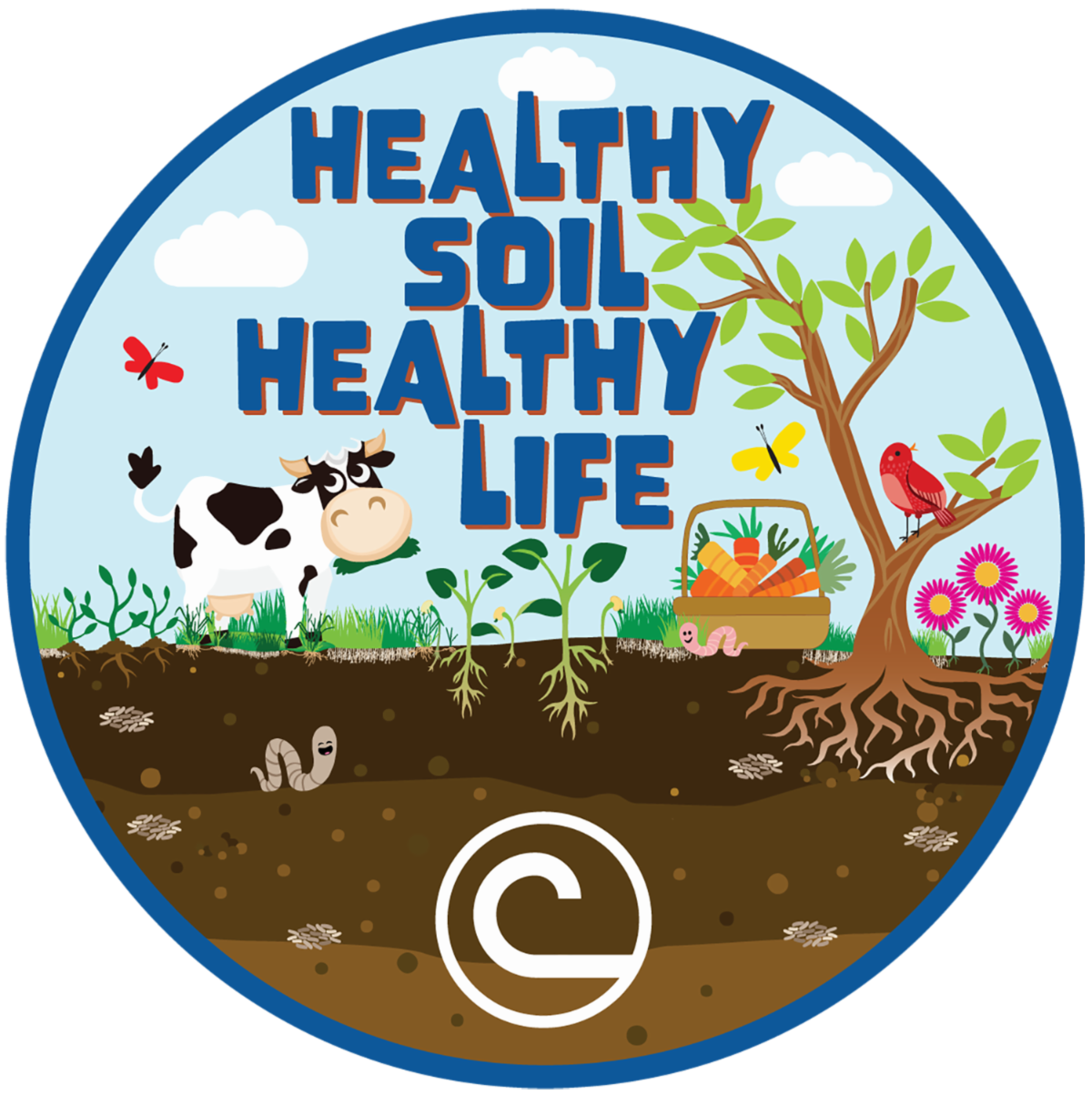
Just in time for back to school! The National Association of Conservation Districts (NACD) has announced the 2022 Poster Contest theme: “Healthy Soil: Healthy Life.” PACD will be accepting photos of your county’s winners until June 30, 2022. We are very excited to see all the artistic entries for this year’s theme!
Eli Long from the Western Pennsylvania Conservancy leads the Cherry Run AMD site tour. Photo provided by Elk County Conservation District.
In August, the Elk County Conservation District held an acid mine drainage (AMD) educational workshop and site tour in Force, PA. Topics during the workshop included how AMD forms, how it is remediated, and an experiment for participants on to “Make their own AMD.” A tour of a local site followed.
Financial and other support for this project is provided by the Pennsylvania Association of Conservation Districts, Inc. through a grant from the Pennsylvania Department of Environmental Protection under Section 319 of the Clean Water Act, administered by the U.S. Environmental Protection Agency.
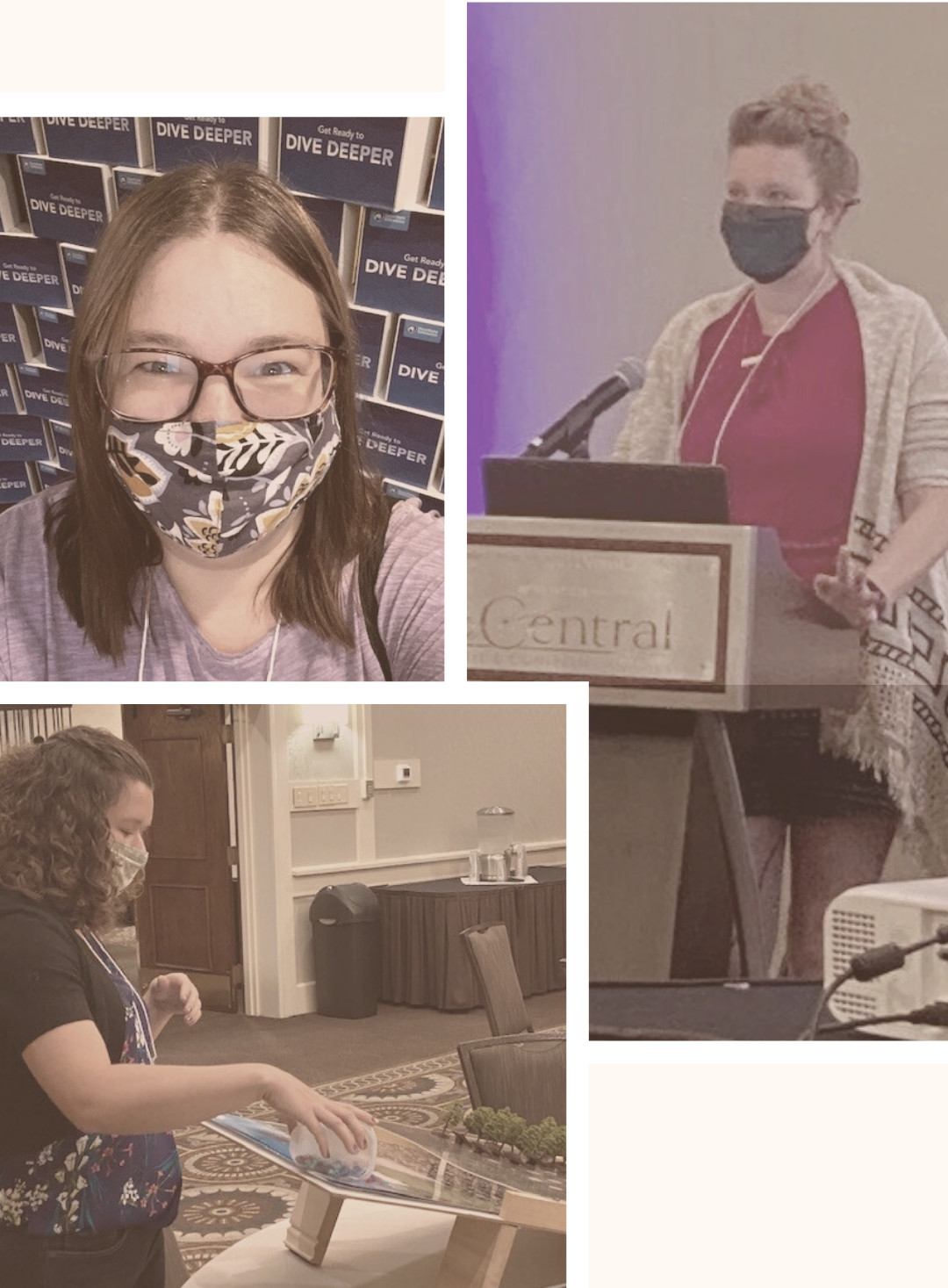
(Top left) PACD’s Shannon Wehinger; (top right) Penn State Extension’s Jennifer Fetter welcomes attendees; and (bottom) Penn State Agriculture and Environment Center’s Kristen Koch demonstrates a buffer model at the Dive Deeper 2021 conference.
Formal and non-formal educators convened in Harrisburg on September 23, 2021, for The Dive Deeper Summit. The summit gathers youth water educators in the Mid-Atlantic Region that pairs knowledge and resource sharing with networking opportunities. Attendees could participate in person or virtually this year.
Shannon Wehinger, PACD Director of Communications and Education, and conservation district staff attended the summit. The summit provided ample opportunities to experience hands-on activities to enhance water education.